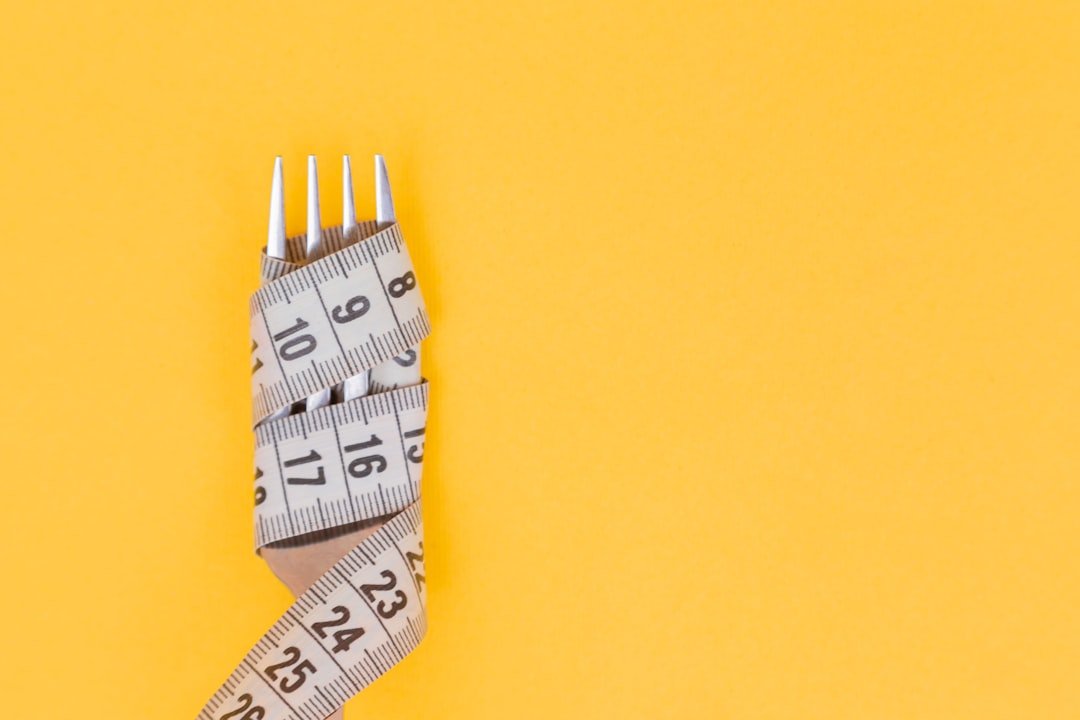
Understanding Fat Loss: Examining the Fundamentals When starting a fat loss journey, it’s critical to understand the underlying principles. Losing weight is only one aspect of fat loss; a complex interaction of lifestyle, psychological, & biological factors is involved. Fundamentally, creating a caloric deficit—that is, consuming fewer calories than your body burns—causes fat loss. Your body must use its fat stores for energy as a result of this deficit, which eventually causes your body fat to decrease.
It is essential to comprehend this fundamental idea because it lays the groundwork for practical tactics and reasonable expectations. Also, it’s critical to understand that losing weight is a nonlinear process. Weight fluctuations can be caused by a number of things, including hormonal changes, muscle growth, and water retention. It’s important to stay focused on the long-term objective rather than getting sucked into daily or weekly changes, even though this variability can be demoralizing. You can develop a mindset that values perseverance and patience—two essential elements of any successful fat loss journey—by learning the fundamentals of fat loss.
For those looking to deepen their understanding of fat loss, a related article that provides valuable insights is available at this link: What is Fat Loss. This article explores the science behind fat loss, offering practical tips and strategies to help individuals achieve their fitness goals effectively.
The Science of Fat Loss: How Your Body Burns Fat Understanding the science of how your body burns fat is essential to understanding the complexities of fat loss. Your body starts using stored fat as a source of energy when you create a caloric deficit. Triglycerides, which are kept in fat cells, are broken down into glycerol and free fatty acids during this process. After entering the bloodstream, these components are carried to different tissues where they can undergo oxidation to produce energy.
Lipolysis is the term for this biochemical process. Also, hormones play a crucial role in this complex dance of fat metabolism. Hormones like glucagon, insulin, & catecholamines are important in controlling the breakdown and storage of fat.
For example, glucagon promotes fat breakdown while insulin encourages fat storage. Knowing these hormonal effects will enable you to make dietary & lifestyle decisions that will help you achieve your fat loss objectives. Factors Affecting Fat Loss: Genetics, Hormones, and Metabolism It’s important to recognize the different factors that can affect your progress as you go through your fat loss journey. How your body stores & burns fat is largely influenced by your genetic makeup.
Understanding fat loss is essential for anyone looking to improve their health and fitness journey. To complement your knowledge on this topic, you might find it helpful to explore how to enhance your workout routine effectively. For insights on this, check out the article on maximizing your workout with an online fitness coach, which can provide you with valuable strategies to optimize your exercise regimen. You can read it here: maximize your workout with an online fitness coach.
| Metric | Description | Typical Range | Importance |
|---|---|---|---|
| Body Fat Percentage | The proportion of fat to total body weight | Men: 6-24%, Women: 14-31% | Key indicator of fat loss progress |
| Basal Metabolic Rate (BMR) | Calories burned at rest to maintain vital functions | 1200-1800 kcal/day (varies by individual) | Determines daily calorie needs |
| Caloric Deficit | Calories consumed minus calories burned | Typically 500-1000 kcal/day deficit for fat loss | Essential for fat loss to occur |
| Lean Body Mass | Weight of muscles, bones, organs excluding fat | Varies widely by individual | Maintaining this is important during fat loss |
| Fat Loss Rate | Amount of fat lost per week | 0.5-1 kg (1-2 lbs) per week recommended | Safe and sustainable fat loss pace |
| Visceral Fat Level | Fat stored around internal organs | Low to moderate levels preferred | High levels linked to health risks |
Because of their genetic predisposition, some people may have an easier time losing weight than others. But it’s important to keep in mind that environmental factors and lifestyle decisions are just as important as genetics. Another important factor influencing fat loss is hormones. Hormonal imbalances can impede your progress by affecting fat distribution, metabolism, and appetite. For instance, elevated cortisol levels brought on by stress can encourage fat storage, especially in the abdomen, and increase cravings for unhealthy foods.
Understanding fat loss is essential for anyone looking to improve their health and fitness, and it can be beneficial to explore various methods that support this goal. For those interested in enhancing their fat loss journey, incorporating effective online fitness workouts can make a significant difference. You can learn more about these workouts in a related article that discusses how to stay active from the comfort of your home. Check it out here to discover some great options that can complement your fat loss efforts.
Discover effective Fat Loss Programs to help you achieve your fitness goals.Thyroid hormones also control metabolism; if your thyroid is underactive, your metabolic rate may be slowed, making weight loss more difficult. You can maximize your fat loss efforts & take proactive measures to address any hormonal imbalances by being aware of these factors. Effective Strategies for Fat Loss: Diet and Exercise Combining diet and exercise is frequently the most effective strategy for fat loss.
In addition to offering vital nutrients for general health, a well-balanced diet that prioritizes whole foods—such as fruits, vegetables, lean meats, and healthy fats—can assist you in creating the calorie deficit required for fat loss. It’s critical to prioritize quality over quantity; think about the nutritional value of the foods you eat instead of just counting calories. Including regular exercise in your regimen is just as crucial to losing weight and keeping it off. In addition to increasing your metabolism & burning calories, exercise also improves your overall body composition by encouraging muscle growth.
Specifically, strength training is advantageous because it increases lean muscle mass, which raises your resting metabolic rate. You can develop a sustainable lifestyle that helps you achieve your weight loss objectives by combining a healthy diet with regular exercise. The Role of Nutrition in Fat Loss: Selecting the Correct Foods Nutrition is crucial to your fat loss efforts, & making wise food choices can have a big impact on your outcomes. Increase your intake of nutrient-dense foods to maximize your weight loss. These foods satisfy your hunger for extended periods of time while offering vital vitamins and minerals.
For example, foods high in fiber, like fruits, vegetables, whole grains, and legumes, can help regulate hunger & lower total caloric intake. Also, keeping an eye on macronutrient ratios can help you lose fat. Maintaining energy levels and promoting muscle recovery require a balanced intake of proteins, fats, and carbohydrates.
Protein is especially crucial because it encourages feelings of fullness & helps maintain lean muscle mass during weight loss. You can design a diet plan that supports your fat loss objectives while still allowing you to enjoy a range of flavors and textures by selecting the appropriate foods and paying attention to portion sizes. The Significance of Exercise and Movement in Fat Loss Physical activity is an essential part of any effective fat loss plan, not merely a supplement to diet. Frequent exercise improves cardiovascular health, lowers calorie intake, and elevates mood by releasing endorphins.
Regardless of your preference for strength training, steady-state cardio, or high-intensity interval training (HIIT), you are more likely to maintain your fitness regimen over time if you find one that you enjoy. Incorporating exercise into your daily routine can also help you lose weight. Over time, small adjustments like walking during lunch breaks or using the stairs rather than the lift can add up.
Instead of depending only on organized workouts, it’s important to find ways to be active throughout the day. You can develop a lifestyle that supports both fat loss and general well-being by making physical activity—in all its forms—a priority. Common Misconceptions about Fat Loss: Distinguishing Fact from Fiction As you begin your fat loss journey, it’s critical to sort through the numerous misconceptions that frequently surround this subject.
The idea that all calories are created equal is a common misconception, but the source of those calories has a big impact. For example, your body will react differently to 100 calories from a sugary snack than it will to 100 calories from a nutrient-dense meal that is high in fiber & protein. Knowing this difference will enable you to choose foods that will help you achieve your objectives.
Another common misperception is that losing weight quickly is the best strategy. Although rapid weight loss may seem desirable, it frequently results in unsustainable habits that can cause weight loss to return once regular eating resumes. Aim for long-term success through gradual changes rather than fad diets or quick fixes. You can position yourself for long-term success by distinguishing fact from fiction and taking a balanced approach to weight loss.
Maintaining Fat Loss: Long-Term Success Strategies: Losing weight is just one step in the process; sustaining those gains calls for constant dedication and planning. Developing healthy habits that become part of your everyday routine is one efficient strategy. This could involve planning your meals so you have wholesome options on hand or making regular exercise appointments on your calendar. Long-term success also depends on continuing to be aware of your progress. You can spot trends & make the required changes along the way by routinely monitoring your food and exercise intake. Instead of concentrating only on the number on the scale, it’s crucial to recognize and celebrate non-scale accomplishments like enhanced strength or energy levels.
You can sustain your hard-won outcomes and keep thriving on your health journey by adopting sustainable practices and developing a positive mindset. In conclusion, comprehending fat loss necessitates a comprehensive strategy that includes diet, exercise, mindset, and lifestyle decisions rather than merely counting calories. You can attain long-lasting effects that improve your physical appearance & general well-being by learning about the science underlying fat loss and putting into practice practical techniques catered to your particular requirements. As you strive to become the healthiest version of yourself, keep in mind that this journey is unique; embrace the process and rejoice in each accomplishment.